
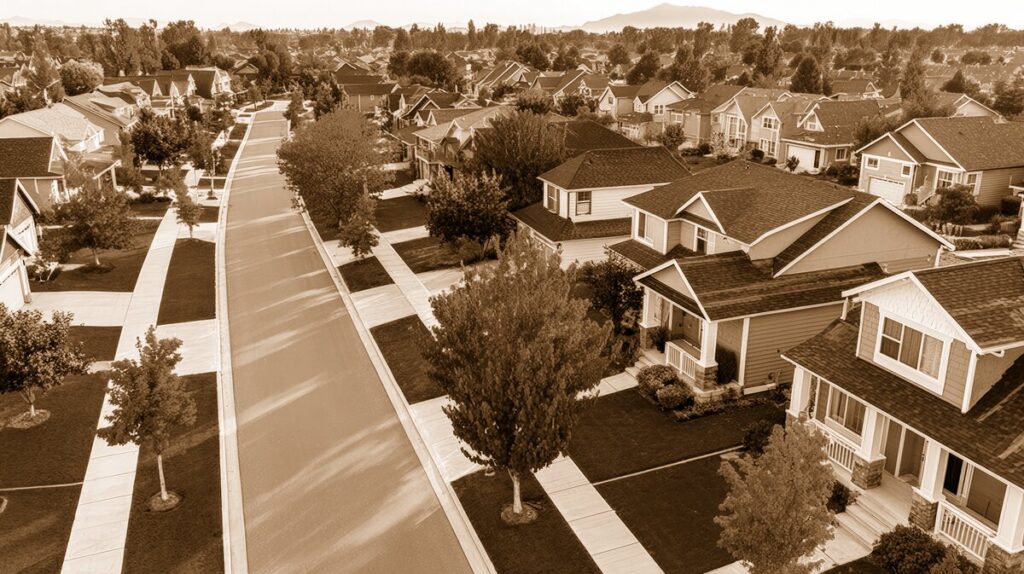
Nestled in the heart of Carroll County, the Westminster Historic District offers a glimpse into the rich tapestry of Maryland’s history. For locals and newcomers alike, a walk through its well-kept streets and past its iconic buildings is like thumbing through a living history book. From its origins as a rural crossroads to its emergence as a cultural and economic hub, Westminster’s historic core is a neighborhood where the past is always present.
The Origins: A Crossroads Becomes a Community
The roots of the Westminster Historic District stretch back to the mid-18th century, when settlers were drawn to the gently rolling hills and fertile farmland of central Maryland. In 1764, William Winchester filed a town plan and named it "Winchester" after his family’s ancestral English home. However, as the settlement grew and a new post office was established, postal confusion with another Maryland town called Winchester led to a subtle but lasting change: in 1768, the town was officially renamed “Westminster.”
Located at the intersection of key trade routes—modern-day Main Street (MD Route 32) and Washington Road (MD Route 140)—Westminster quickly became an important stopover for travelers and merchants, shaping its destiny as a regional center.
Key Historical Milestones
Over the decades, Westminster played significant roles in regional and national events:
- Civil War Era: On June 29, 1863, Confederate cavalry under General J.E.B. Stuart clashed with Union troops right on Main Street during the “Corbit’s Charge.” This small but spirited skirmish delayed Stuart’s forces, contributing to the Northern Army’s preparation at Gettysburg. The Corbit’s Charge monument at the intersection of Main and Court Streets marks this event, reminding residents and visitors of the city’s brush with Civil War history.
- Railroad Arrival: The arrival of the Western Maryland Railroad in the 1860s spurred economic growth. The original train station, a charming example of Victorian-era architecture, still stands on East Main Street and today houses the Historical Society of Carroll County.
- Economic Expansion: The late 19th and early 20th centuries saw Westminster flourish as a center of commerce, banking, and education. Elegant homes and churches began to grace Main Street, many of which remain key landmarks in the district today.
Notable Landmarks and Buildings
The Westminster Historic District is renowned for its collection of preserved structures, each with a story to tell:
- Carroll County Courthouse (55 N. Court Street): Built in 1838, this stately Greek Revival building is one of the oldest courthouses still in use in Maryland and remains a defining feature of the district.
- St. Paul’s United Church of Christ (17 Bond Street): Its soaring steeple and stained glass windows mark the city’s skyline, and its congregation dates back nearly two centuries.
- The Shellman House (206 E. Main Street): Home to the Historical Society of Carroll County, this impeccably restored 180-year-old residence offers a window into Victorian life and regularly hosts historical tours and events.
- Western Maryland College (now McDaniel College): While technically just outside the formal boundaries of the historic district, McDaniel College and its historic campus on Hilltop Drive are central to Westminster’s identity and have educated generations of Carroll County residents.
Strolling along Main Street, you’ll pass row after row of well-preserved 19th-century brick storefronts, once home to general stores, tailors, and milliners. Landmarks like the historic Odd Fellows Hall and the imposing Grace Lutheran Church showcase Westminster’s role as a religious, social, and economic center.
Streetscapes, Parks, and Community Spirit
The heart of the historic district is Main Street, from Longwell Avenue to Church Street, where the red-brick sidewalks and painted lampposts evoke an earlier era. Many of the residential side streets—such as Willis, Green, and Union Streets—are lined with lovingly maintained Victorian and Colonial Revival homes, complete with ornate porches and mature trees that provide a leafy canopy in the warmer months.
Just a short walk from the downtown core, Belle Grove Square Park provides a peaceful retreat with benches and old shade trees, making it an ideal spot for neighborhood gatherings, picnics, or a reflective stroll. Community events, like the annual Flower & Jazz Festival and Fallfest, bring residents together and maintain traditions that stretch back generations.
Evolution Through the Decades
While Westminster’s historic district is a place where the past is cherished, it is by no means frozen in time. Over the decades, careful stewardship by homeowners, preservation groups, and city leaders has ensured that the neighborhood retains its historic charm while adapting to modern needs.
- Historic Preservation: The designation of the Westminster Historic District on the National Register of Historic Places in 1980 has spurred ongoing preservation and restoration efforts. Local ordinances help protect architectural treasures and guide sensitive development.
- Downtown Revitalization: Independent shops, art galleries, cafes, and restaurants fill the old brick storefronts, creating a vibrant downtown scene. The Main Street program, begun in the 1990s, continues to infuse new energy into the area while honoring its roots.
- Cultural Anchors: Institutions like the Carroll Arts Center (located at 91 West Main Street in a former Art Deco movie theater) have become cultural anchors, offering concerts, films, and arts programming that draw visitors from across the region.
A Neighborhood with Heart and Heritage
What makes the Westminster Historic District truly special is the sense of pride and continuity that binds its residents. Generations of families have called these streets home, adding their own stories to the city’s ever-growing chronicle. Whether you’re admiring the grandeur of the courthouse, exploring the historical exhibits at the Shellman House, or simply enjoying the shade of a centuries-old oak in Belle Grove Square, you’ll feel part of a legacy that stretches back more than 250 years.
In Westminster Historic District, the echoes of the past are woven into the rhythm of daily life—a living testament to the community’s resilience, ingenuity, and heart.